
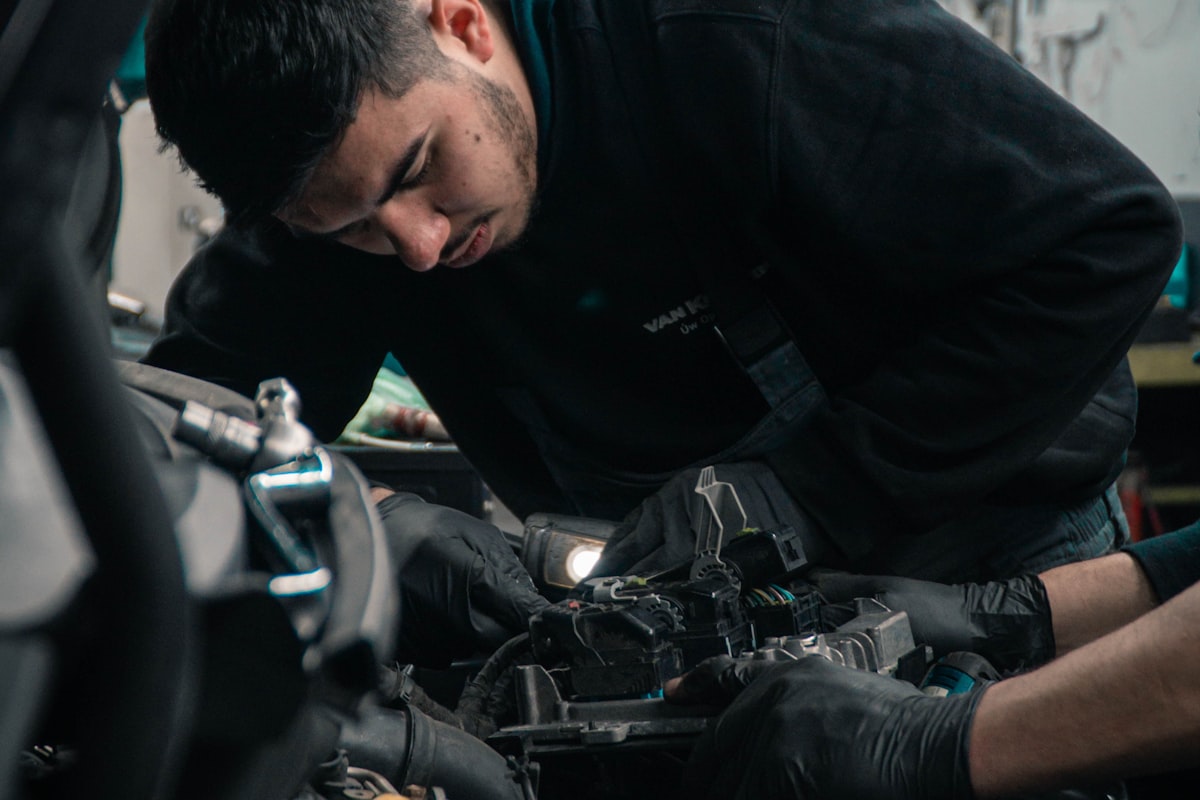
Downtime is a silent profit assassin.
A truck sitting in a shop is not just a repair bill. It is a missed load. It is a driver sitting idle, collecting guaranteed pay or looking for another carrier. It is a customer whose freight did not move on time. It is a cascade of costs that never shows up on a single line item but erodes profitability across the entire operation.
The carriers who treat maintenance as a strategic function — not a reactive expense — are the ones who consistently outperform.
The True Cost of Downtime
When a truck breaks down on the road, the visible costs are the repair and the tow. The invisible costs are far larger:
- Lost revenue. Every day a truck is down is a day of revenue that cannot be recovered. At $1,500 per day in revenue per truck, a three-day repair costs $4,500 in lost income before the repair bill.
- Driver impact. An idle driver costs money whether or not the truck is moving. Worse, repeated breakdowns are a retention killer.
- Customer impact. A missed delivery due to a breakdown damages the relationship. Two missed deliveries may end it.
- Cascade effects. The load that was on that truck needs to be covered. Another truck gets diverted. That truck's next load needs to be rebooked. One breakdown can disrupt an entire week's dispatch plan.
Predictive Maintenance Using Data
The shift from reactive maintenance ("fix it when it breaks") to predictive maintenance ("fix it before it breaks") is one of the highest-ROI investments a carrier can make.
Predictive maintenance uses data you already have:
- Mileage intervals. Every component has an expected life span. Oil, filters, brakes, tires, belts, transmissions. Tracking mileage against these intervals prevents the "I thought it was fine" failures.
- Service history patterns. If a unit has had three alternator-related issues in 18 months, the electrical system has a deeper problem. Data makes the pattern visible.
- Manufacturer bulletins. Known issues with specific engine models, chassis configurations, or component batches can be tracked and addressed proactively.
- Seasonal factors. Cold weather failures, summer cooling system loads, and winter tire requirements are predictable if you plan for them.
Shop vs. Outsource: The Decision Model
Every carrier eventually faces the question: should we maintain our own shop or outsource maintenance? The answer depends on fleet size, geographic concentration, and volume.
| Factor | In-House Shop | Outsourced |
|---|---|---|
| Fleet Size | Usually makes sense at 25+ trucks | Often better for smaller fleets |
| Cost Control | Full visibility, parts purchasing leverage | Less control, markup on parts and labor |
| Turnaround Time | Priority scheduling for your trucks | Subject to shop queue and availability |
| Fixed Overhead | Facility, tools, technicians, insurance | No fixed overhead, pay per service |
| Geographic Spread | Works for concentrated operations | Better for geographically distributed fleets |
The right model may be a hybrid: in-house for preventive maintenance and routine work, outsourced for specialized repairs and road calls in areas you do not cover.
Tracking Maintenance Cost Per Unit
Fleet-average maintenance costs hide the truth. Every fleet has units that cost three times the average and units that cost half. Tracking maintenance cost per unit reveals:
- Which units to replace. When a truck's monthly maintenance cost approaches its monthly revenue contribution, the math no longer works.
- Which units to prioritize. Low-maintenance, high-revenue units deserve priority scheduling and the best drivers.
- When age becomes expensive. There is a point in every truck's life where the cost curve inflects upward. Data tells you exactly when that happens for each unit in your fleet.
Reducing Roadside Breakdowns
Every roadside breakdown is a failure of planning. While some failures are genuinely unpredictable, the majority are preventable:
- Pre-trip inspections that are actually performed. Not just checked off. A systematic pre-trip catches tires, lights, fluids, and obvious issues before they become roadside emergencies.
- Adherence to PM schedules. Skipping or delaying preventive maintenance to keep a truck running is borrowing from tomorrow's reliability to pay today's revenue.
- Tire management programs. Tires are the number one cause of roadside breakdowns. Regular inspection, proper inflation, and tread depth tracking prevent the majority of tire-related failures.
- Fluid analysis programs. Oil analysis can detect engine and transmission problems weeks before they cause failures. The cost of an oil analysis is negligible compared to a roadside engine failure.
The most profitable truck in your fleet is not the one that earns the most revenue. It is the one that runs the most days.
Uptime is not an accident. It is the result of systems, data, and discipline applied consistently across every unit in the fleet. The carriers who engineer reliability into their operations do not just save on repair costs. They earn more, retain better drivers, and serve their customers at a level that creates lasting competitive advantage.
Ready to engineer reliability into your fleet?
Cogent Cloud helps carriers track maintenance, forecast costs, and maximize uptime across every unit.
Connect With Our Team